Rainbow Colors in Our Daily Life
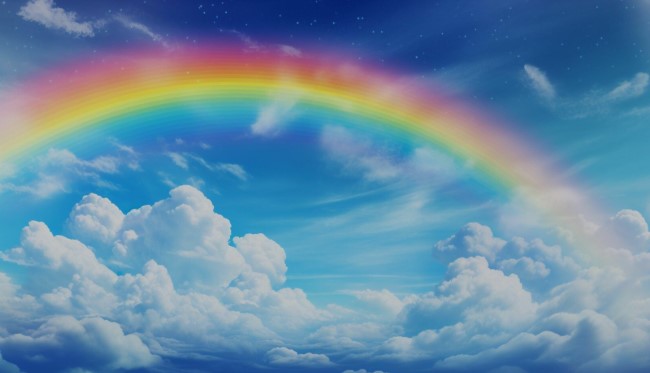
The rainbow symbolizes beauty and harmony and holds a special place in human culture and imagination. Its seven vibrant colors, orange, yellow, green, blue, and indigo, and violet-inspire awe and influence various aspects of our daily lives. From art and design to psychology and symbolism, rainbow colors enrich our world in remarkable ways.
The Symbolism of Rainbow Colors: Each color in the rainbow carries a unique meaning. Red represents passion and energy, while orange symbolizes warmth and enthusiasm. Yellow radiates joy and positivity and green is associated with growth and balance. Blue evokes calm and trust, indigo signifies intuition, and violet reflects creativity and spirituality. Together, they create a spectrum that symbolizes unity in diversity.
Psychological Impact: Colors profoundly affect human emotions and behavior. For instance, red can stimulate excitement and urgency, making it popular in marketing and sports. Green and blue have calming effects and are often used in healthcare and home interiors to promote relaxation. By incorporating rainbow hues thoughtfully, we can influence our moods and environments positively.
Rainbows in Art and Fashion: Artists and designers often draw inspiration from rainbows. The spectrum of colors is used to evoke joy, hope, and wonder. In fashion, rainbow-themed collections are celebrated for their boldness and inclusivity. Accessories and clothing featuring these vibrant colors convey messages of equality and individuality.
Cultural and Social Significance: Rainbows hold cultural significance across the globe. In many traditions, they are seen as bridges between realms or symbols of hope and renewal. Modern movements, like LGBTQ+ pride, have adopted the rainbow as a symbol of diversity and acceptance, resonating with millions worldwide.
Education and Creativity: Rainbow colors are integral to teaching and creativity, especially for children. They make learning engaging and accessible, whether in color theory, art projects, or scientific explanations of light refraction. The spectrum fosters curiosity and creativity, encouraging exploration of the world around us.
Rainbows in Nature and Everyday Life: Beyond the sky, rainbow-like displays appear in soap bubbles, prisms, and even on dewy spider webs. These natural phenomena remind us of the intricate beauty of light and water interaction, sparking wonder and appreciation for our environment.
The Rainbow as a Metaphor:
Rainbows often serve as metaphors for hope, diversity, and aspirations in literature and everyday conversations. Phrases like “chasing rainbows” or “pot of gold at the end of the rainbow” highlight its symbolic richness.
Conclusion: Rainbow colors enrich our daily lives through aesthetic, psychological, and symbolic influences. They connect us to nature, inspire creativity, and foster a sense of unity and hope. By appreciating the spectrum in its many forms, we celebrate the beauty and diversity of life itself.
