Artist Raphael’s Painting Tradition: A Legacy of Mastery
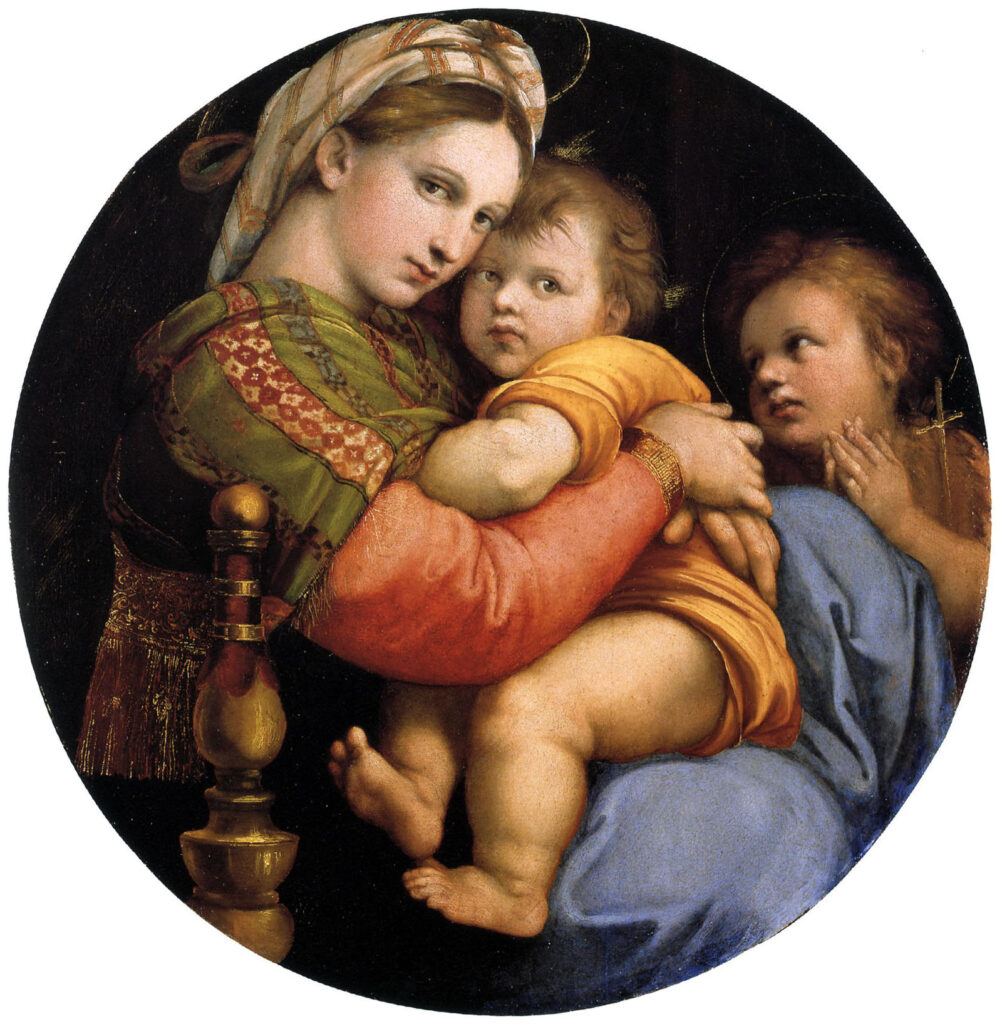
Raphael, also known as Raffaello Sanzio da Urbino, is one of the most celebrated artists of the Italian Renaissance. His painting tradition is characterized by an exquisite blend of technical precision, emotional depth, and harmonious composition, influencing art for centuries. Born in 1483, Raphael’s career was remarkably prolific despite his untimely death at 37. His works, often associated with grace and beauty, solidified his place as a master painter alongside contemporaries like Michelangelo and Leonardo da Vinci.
Early Life and Influences
Raphael was born into a family of artists, with his father Giovanni Santi serving as a court painter. This early exposure to art set the stage for his development. Raphael studied under Pietro Perugino, whose influence is evident in Raphael’s early works, particularly in the clarity of composition and use of light.
His exposure to Florence in the early 1500s marked a significant turning point. Inspired by the works of Michelangelo and Leonardo, Raphael adopted their techniques, blending them with his unique style to create compositions filled with balance and serenity.

Characteristics of Raphael’s Painting Tradition
- Harmonious Composition
Raphael’s paintings are celebrated for their balanced and harmonious arrangements. His ability to organize elements within a frame made his works visually pleasing and timeless. - Emotional Expression
Raphael mastered the art of depicting human emotion with subtlety. Whether in the tender expressions of the Madonna or the dignity of his portraits, his figures convey a profound sense of humanity. - Use of Perspective
Raphael employed linear perspective masterfully, creating depth and realism in his works. This technique is especially evident in his frescoes, such as The School of Athens. - Vibrant Colors and Textures
His use of vibrant, rich colors and the interplay of light and shadow brought his compositions to life, making them captivating and dynamic. - Graceful Figures
The figures in Raphael’s paintings are noted for their grace and idealized beauty, often embodying the Renaissance ideals of perfection.
Major Works of Raphael
- The School of Athens (1509–1511)
Located in the Vatican, this fresco is a masterpiece of perspective and composition. It celebrates classical philosophy by depicting iconic thinkers like Plato and Aristotle, symbolizing the fusion of art, science, and knowledge. - The Sistine Madonna (1512)
This painting is famous for its ethereal depiction of the Virgin Mary and the cherubs at its base. It exemplifies Raphael’s skill in blending divinity with human tenderness. - Madonnas
Raphael painted numerous Madonnas, such as Madonna del Prato and Madonna of the Goldfinch. These works are characterized by their serene and maternal quality, highlighting his mastery in portraying sacred themes. - Portraits
Raphael’s portraits, like Baldassare Castiglione, showcase his ability to capture individuality and psychological depth, setting a benchmark for portraiture.
Raphael’s Influence on Art
Raphael’s painting tradition shaped the High Renaissance’s visual language, influencing generations of artists. His ability to synthesize ideas from various sources while maintaining originality made him a pivotal figure in art history. His legacy endured through the works of the Mannerists and Baroque painters, who drew inspiration from his techniques and compositions.
Artistic Techniques and Innovation
- Chiaroscuro
Raphael employed light and shadow to create three-dimensionality, giving his figures a lifelike presence. - Layering and Glazing
His technique of layering thin glazes enhanced the richness and depth of colors, adding to the realism of his paintings. - Draftsmanship
Raphael was an exceptional draftsman, and his preparatory sketches reveal his meticulous approach to composition and anatomy.
Raphael’s Later Years and Vatican Contributions
His work in the Vatican marked Raphael’s later years. As chief architect of St. Peter’s Basilica, he expanded his creative repertoire. His frescoes in the Raphael Rooms of the Vatican, such as The Parnassus and The Disputation of the Holy Sacrament, stand as testaments to his intellectual and artistic genius.
Legacy
Raphael’s untimely death in 1520 left the art world in mourning. He was buried in the Pantheon in Rome, a testament to his esteemed status. His works remain a cornerstone of Western art, revered for their beauty, emotional resonance, and technical brilliance.
Conclusion
Raphael’s painting tradition exemplifies the ideals of the Renaissance, marrying technical precision with emotional depth and aesthetic harmony. His masterpieces inspire admiration and study, serving as timeless symbols of artistic excellence. Raphael’s ability to capture the essence of humanity and divinity in his works ensures his place among the greatest artists in history.
